How to Buy a Gun in Connecticut
Buying a gun in Connecticut takes more preparation than in most states, but the process is predictable once you know the order of steps. You get a state credential first, then you pick a firearm that is legal in Connecticut, and then a licensed dealer runs the DESPP background check and hands it over. This guide explains each step for handguns and long guns, including how an online order works. It reflects the law as of September 2026 and is general information, not legal advice.
Step 1: Get the right credential
No Connecticut dealer can sell you a firearm unless you hold one of the state credentials. Which one you need depends on what you plan to buy.
- For a handgun: a State Permit to Carry Pistols and Revolvers or a Handgun Eligibility Certificate. You must be 21.
- For a rifle or shotgun: a Long Gun Eligibility Certificate, a Handgun Eligibility Certificate or a pistol permit. The long gun certificate is available at 18.
- For ammunition and magazines: any of the credentials above, or a DESPP ammunition certificate with photo ID. You must be 18.
The eligibility certificates cost $35 and last five years. The pistol permit costs $70 at the local level and $70 at the state level, plus fingerprint and background check fees. Every credential requires a DESPP-approved safety course completed within two years before you apply. For handgun credentials that means a course at least equal to the NRA Basic Pistol course, with live fire. Many buyers choose the pistol permit even if they do not plan to carry, because it covers everything. Our pistol permit guide explains that process in full.
How long it takes
DESPP says a pistol permit generally takes about eight weeks at the local stage, and eligibility certificates can take up to 90 days. Plan ahead if you want a firearm before a hunting season or a class. The good news is that once you hold the credential, there is no separate state waiting period for each purchase.
Step 2: Choose a firearm that is legal in Connecticut
Our catalog is a national distributor list. Many items in it are legal in most states but cannot be transferred in Connecticut. Before you order, check these points.
- Assault weapon law. Rifles and pistols named in sections 53-202a and following, their copies, and semi-automatic firearms with banned features cannot be sold here. A semi-automatic centerfire rifle with a detachable magazine and even one feature, such as a pistol grip or a telescoping stock, is covered.
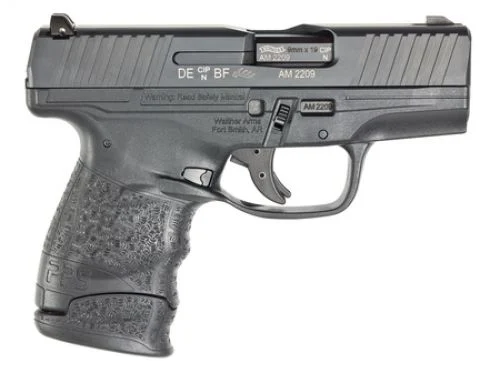
- Magazine limit. Magazines over 10 rounds are banned for sale. A pistol that ships with a 15 or 17-round magazine can only be transferred if it comes with 10-round magazines instead.
- Age limits. Semi-automatic centerfire rifles that accept more than five rounds cannot go to anyone under 21.
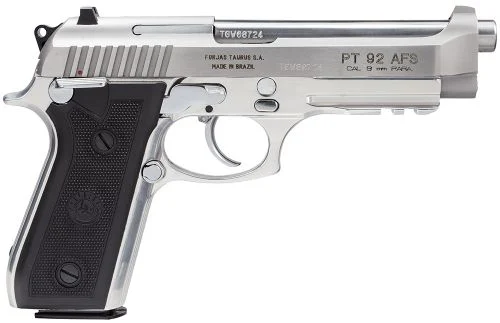
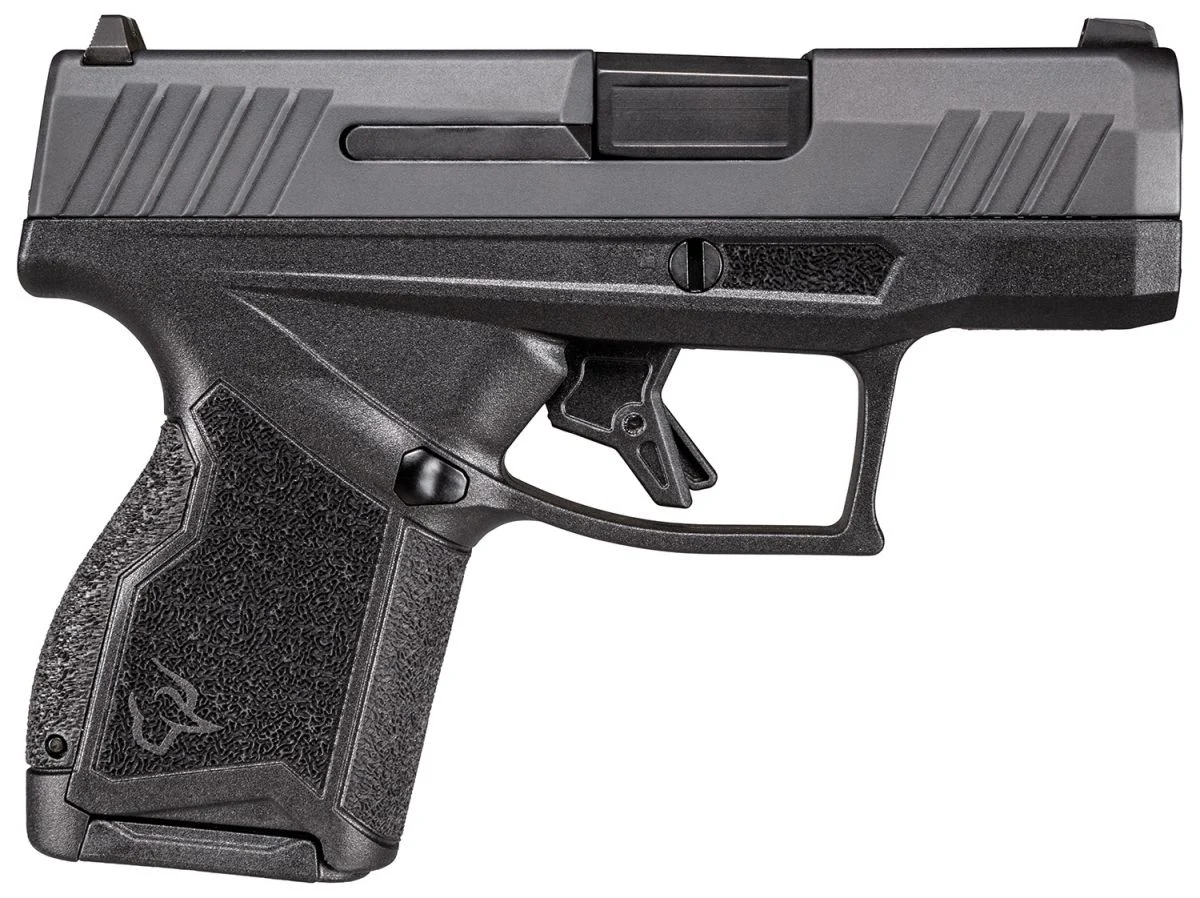
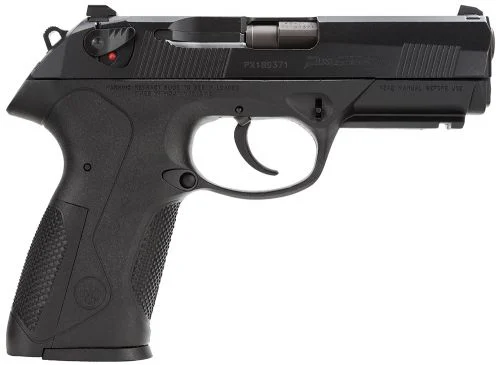
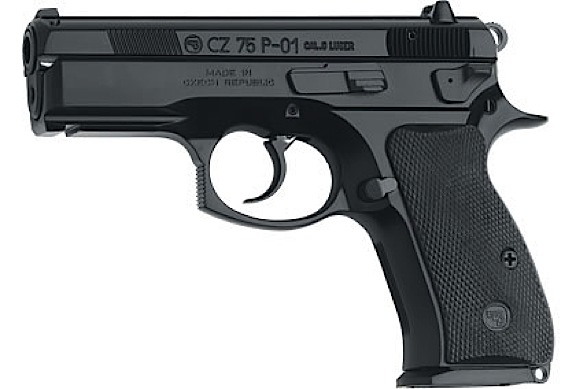
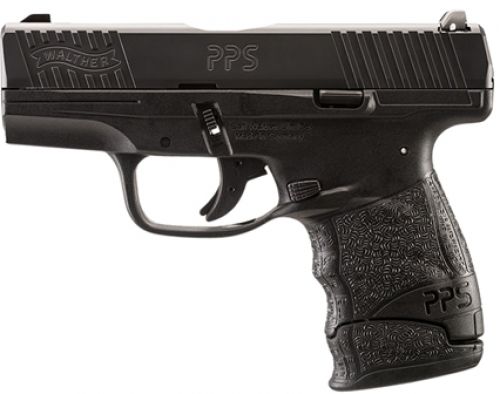
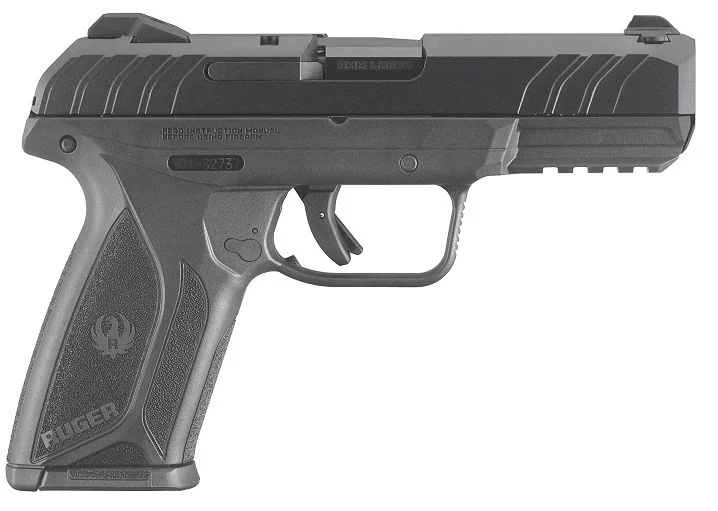
The Connecticut dealer you ship to will only transfer items that are legal in Connecticut. If you are unsure, ask the dealer before ordering. Bolt-action and lever-action rifles, pump and break-action shotguns, revolvers and many compliant pistols are straightforward choices. Browse the shop with those limits in mind.
Step 3: Pick a Connecticut dealer
Federal law requires a firearm bought online to ship to a federally licensed dealer, known as an FFL. In Connecticut the dealer must also hold a state dealer permit. Choose a dealer near your home, call to confirm they accept transfers from online sellers, and ask about their transfer fee. Give us the dealer's name at checkout and we send the firearm to them. Handguns must be bought by Connecticut residents, as federal law allows handgun sales only in the buyer's state of residence. Our gun shop pages list information for each city we serve.
Step 4: Complete the transfer
When the firearm arrives, the dealer contacts you. At the counter you will:
- Show your Connecticut credential and a government photo ID.
- Fill out ATF Form 4473.
- Wait while the dealer contacts DESPP, which checks state records and the federal NICS system.
- Receive the firearm once DESPP issues an authorization number for the sale.
The dealer must also give you a trigger lock and a written safety warning with every firearm sold, a rule that since 2023 applies to long guns as well as handguns. Keep the sale paperwork with your records.
Handgun purchase limits
Connecticut limits most people to three handgun retail purchases in a 30-day period. DESPP will not issue a fourth authorization number inside that window, so if you plan to buy several handguns, space the orders out. Certified instructors may buy up to six.
Buying ammunition and accessories
Ammunition and magazines also need a credential in Connecticut. Where state law allows shipment, you may be asked to send a copy of your permit or certificate before an order ships, and some items must go through a Connecticut dealer instead. Optics, cases, cleaning gear and most parts ship to your door as usual. Parts that would turn a compliant firearm into a banned configuration, such as a flash suppressor or a telescoping stock for a semi-automatic rifle, are not legal to install on those firearms here.
Private sales and gifts
Connecticut law requires a DESPP authorization number for private handgun and long gun transfers, and since September 2023 DESPP policy effectively requires those sales to go through a licensed dealer. The buyer still needs the proper credential. If a family member wants to give you a firearm, plan to meet at a dealer.
After the purchase
Connecticut's storage law applies to anyone who controls a home. Every firearm must be kept in a securely locked box or container, or carried on your person. A handgun left in a car must be in the trunk, a locked safe or a locked glove box. Loaded long guns may not be carried in a vehicle. If you only hold an eligibility certificate, you may keep a handgun at home or at your business but may not carry it elsewhere, except for narrow transport exemptions such as taking it to a range, unloaded and out of reach.
Quick checklist
- Hold a valid pistol permit or the right eligibility certificate.
- Confirm the firearm and its magazines are legal in Connecticut.
- Pick a Connecticut dealer and confirm their transfer fee.
- Bring your credential and photo ID to pickup.
- Store the firearm locked at home.
For the wider picture, see our Connecticut gun laws overview. If you are buying a shotgun or rifle for deer season, our deer hunting guide lists the firearms allowed on private and state land, and the home defense guide covers choices for the house.
General information, not legal advice. Current as of September 2026. Laws change; check the official source before you act.