Choosing a Home Defense Firearm in Connecticut
A home defense firearm should be reliable, simple to run under stress, and easy to store safely. In Connecticut it also has to fit a tight set of legal limits on magazines and features. This guide walks through what the law allows as of September 2026 and which types of firearms make practical sense for a Connecticut household. It is general information, not legal advice.
What you need before you buy
You need a Connecticut credential to buy any firearm here. For a handgun, that is a pistol permit or a Handgun Eligibility Certificate, both available at 21. For a shotgun or rifle, a Long Gun Eligibility Certificate, available at 18, is enough. A handgun eligibility certificate lets you keep a handgun at home or at your business but not carry it elsewhere. No permit is needed to possess a lawfully acquired handgun in your own home, place of business or on land you own or lease. Our pistol permit guide explains how to get each credential.
The legal limits that shape your choice
Ten-round magazines
Connecticut bans the sale and purchase of magazines that hold more than 10 rounds. Many popular pistols ship with 15 or 17-round magazines in other states. For Connecticut they must come with 10-round magazines. Ten rounds of a modern defensive cartridge is plenty for a home, and a spare magazine stored with the gun adds more.
The assault weapon law
Connecticut bans many rifles and pistols by name, including AR-15 and AK type designs and their copies, so removing features does not make those models legal here. The law also covers any semi-automatic centerfire rifle with a detachable magazine and even one listed feature, such as a pistol grip, a telescoping stock or a flash suppressor. Semi-automatic pistols are covered if they have features such as a threaded barrel or a magazine that attaches outside the grip. Semi-automatic shotguns are covered if they accept a detachable magazine or have both a folding or telescoping stock and a pistol grip. The Connecticut dealer you ship to will only transfer items that are legal in Connecticut, so check with them if a model is in doubt.
Practical choices for a Connecticut home
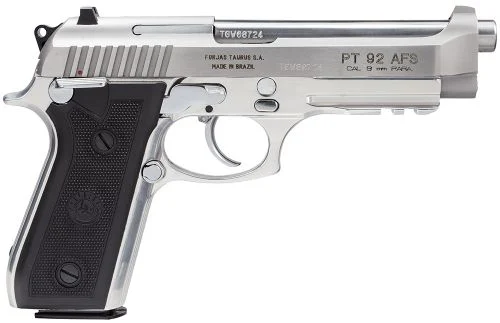
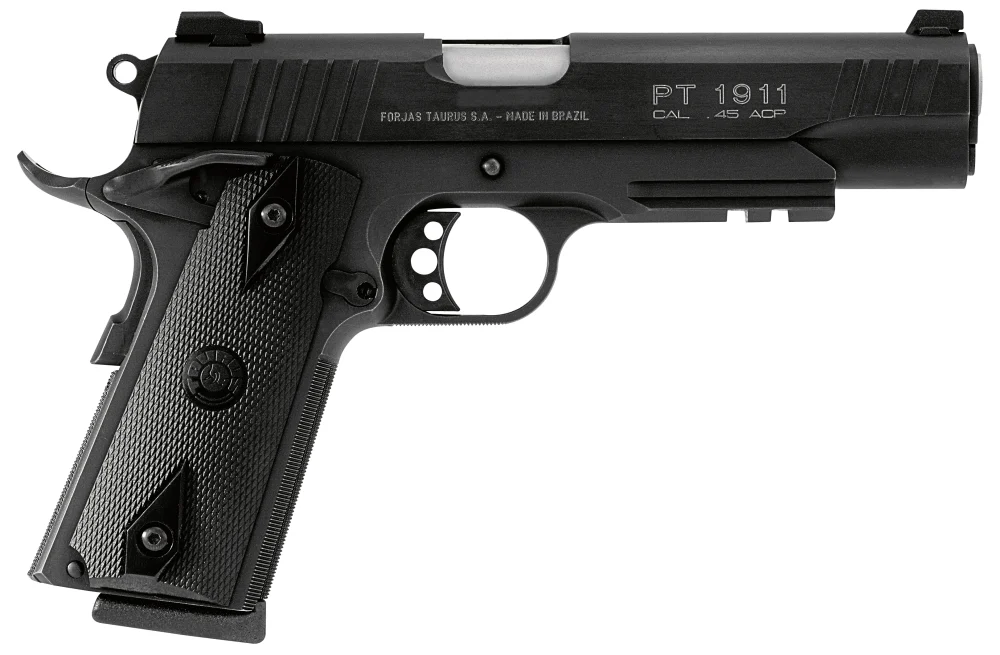
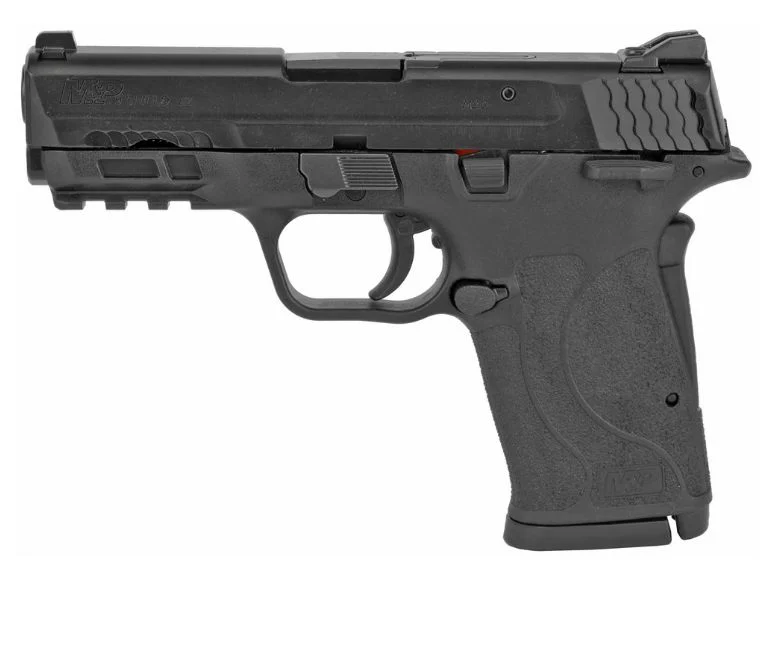
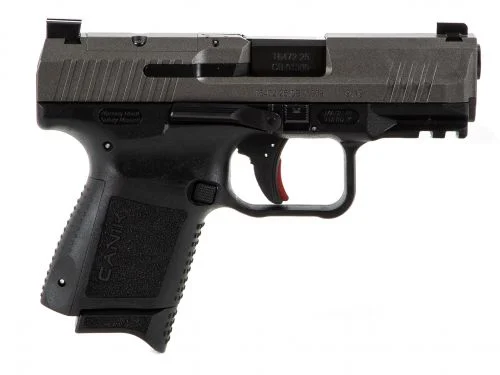
A compact or full-size pistol with 10-round magazines
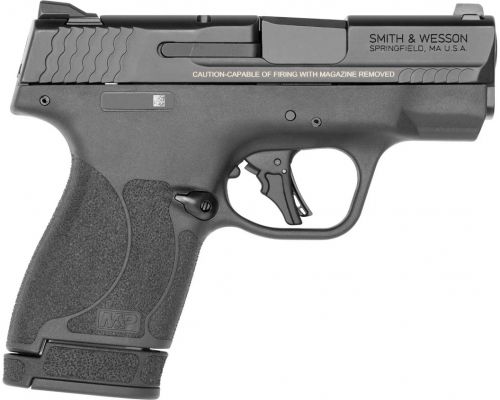
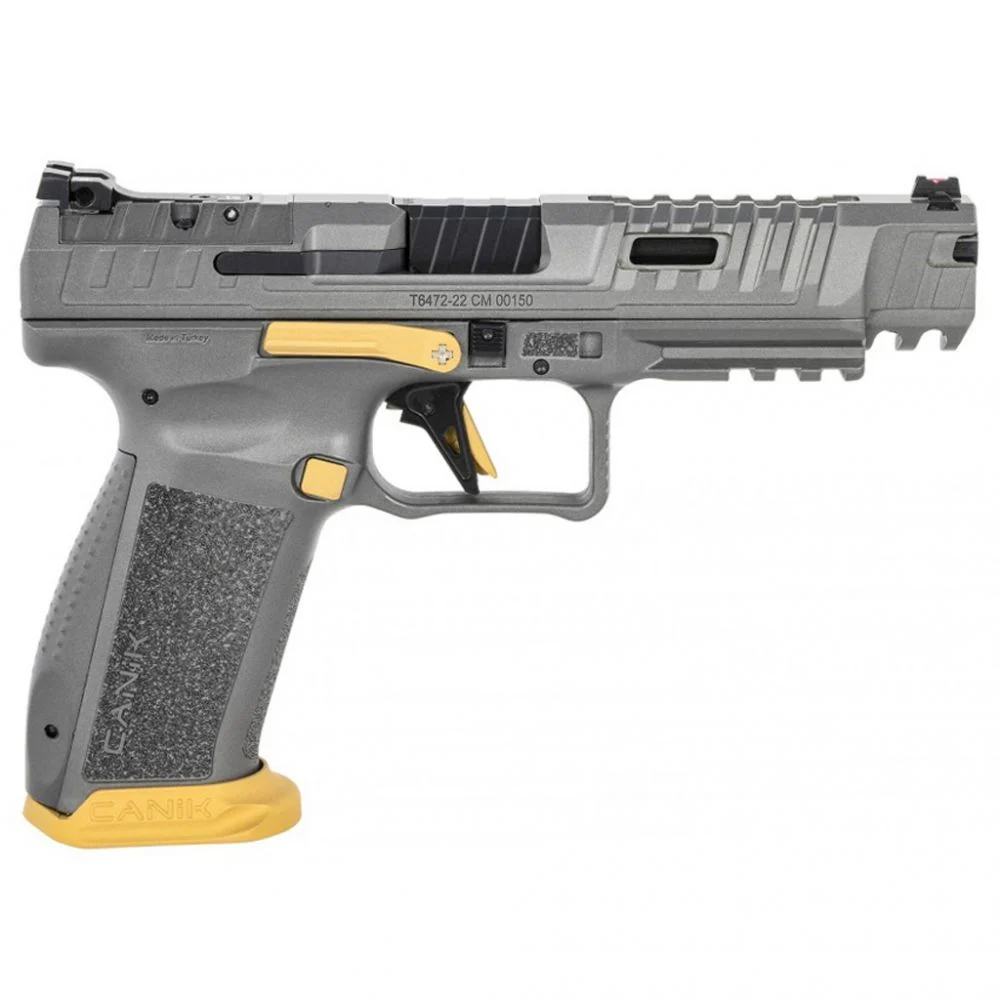
A 9mm pistol from a major maker with a plain, non-threaded barrel is the most common choice. It is easy to shoot well, holds 10 rounds plus one in the chamber, and fits in a small quick-access safe. Pick a model that is sold with Connecticut-compliant magazines, and stay with standard barrels rather than threaded versions. A mounted light helps you identify what you are facing in the dark.
A revolver
A .38 Special or .357 Magnum revolver is simple to load, check and store. It holds five to eight rounds depending on the model and has no magazine to worry about. A four-inch barrel is a good middle ground for home use. Revolvers are a strong choice for households where some members shoot only occasionally.
A pump-action shotgun
A 12 or 20 gauge pump shotgun with a standard stock and an 18 to 20-inch barrel is one of the most flexible home defense tools and one of the easiest to buy in Connecticut, since it needs only a Long Gun Eligibility Certificate at 18. Pumps are not semi-automatic, so the assault weapon feature tests for semi-automatic shotguns do not apply to them. A 20 gauge kicks less and is easier for smaller shooters to handle. Choose loads suited to indoor use and pattern them at the range.
A rifle or carbine
Most semi-automatic rifles and pistol-caliber carbines with detachable magazines fall under Connecticut's ban, and several carbines are banned by name. Lever-action rifles in .357 Magnum or .44 Magnum and some fixed-magazine designs remain legal and can serve inside a home, though a pistol or shotgun is usually more practical in hallways and small rooms. Ask your dealer before choosing a carbine.
Safe storage is the law
Since 2023, Connecticut requires anyone who controls a home or other premises to keep every firearm there in a securely locked box or container, or carried on their person or close enough to use as if carried. That applies whether or not children live in the house. Failing to store a gun properly can be a crime if someone else gets it and causes harm. For home defense this means planning around a quick-access safe:
- A small biometric or keypad pistol safe near the bed
- A locking wall rack or cabinet for a shotgun
- A larger safe for firearms you are not using day to day
Every dealer must hand you a trigger lock and written warning with each firearm, but a trigger lock alone is slow to remove in an emergency. Budget for a safe along with the firearm.
Use of force in Connecticut
Connecticut's self-defense rules are in sections 53a-19 and 53a-20 of the General Statutes. In general you may use deadly force only when you reasonably believe it is needed to stop someone using or about to use deadly force against you or another person, or to stop certain violent crimes. Connecticut generally requires retreat when you can do so in complete safety, but not in your own home. Read the statutes, take a class that covers them, and talk to a lawyer if you have questions. This guide cannot cover every situation.
Training and practice
Buying the firearm is the easy part. Take a defensive handgun or shotgun class, practice loading and unloading, and learn to open your safe in the dark. The Glastonbury range in Meshomasic State Forest and the High Rock range in Naugatuck State Forest take handguns with a valid pistol permit. Dry practice at home with an unloaded firearm and no ammunition in the room builds good habits between range trips.
Quick checklist
- Get the right credential for the firearm type.
- Choose a pistol, revolver or pump shotgun that is legal in Connecticut.
- Use magazines of 10 rounds or fewer.
- Buy a quick-access safe and store every firearm locked.
- Train, and learn the use-of-force rules.
Browse pistols, revolvers and shotguns in the shop, and read our buying guide for how an online order reaches your dealer. The Connecticut gun laws overview covers the wider rules, and your city's gun shop page has local details. If the same shotgun will do double duty in the woods, see our deer hunting guide.
General information, not legal advice. Current as of September 2026. Laws change; check the official source before you act.