Connecticut Deer Hunting: Seasons, Zones and Legal Firearms
Connecticut is a small, crowded state, but it holds a healthy white-tailed deer herd and a real hunting tradition, from the Litchfield Hills to the Quiet Corner and the shoreline. The rules are set by CT DEEP's Wildlife Division and differ a great deal between private land and state land. This guide covers the 2026 seasons, the deer management zones, and which firearms are legal in each season. Dates below come from the 2026 Connecticut Hunting and Trapping Guide. Always check the current guide before you hunt, since DEEP can adjust seasons.
Licenses and permits
To hunt deer with a firearm you need a Connecticut firearms hunting license, which requires a hunter education course for a first-time hunter, plus the right deer permit for the season and land you plan to hunt. Private-land permits need the landowner's written consent. Archery hunters need an archery license and archery deer permit. Buy licenses and permits through the state Online Outdoor Licensing System. Separately, buying a firearm or ammunition in Connecticut needs a state credential such as a Long Gun Eligibility Certificate. See our buying guide for that part.
Deer management zones
DEEP divides the state into 12 numbered deer management zones, with Zone 4 split into 4A and 4B, for 13 zones in all. Bag limits and some seasons differ by zone. A few examples:
- Zones 11 and 12 cover the Fairfield County coast and the shoreline from Milford east. They have the most deer per hunter, extra antlerless tags and a January archery season on private land.
- Zones 2 and 4A in the northwest hills and north-central area restrict antlerless tags during the firearms season because deer numbers there are lower.
- Zone 4B in eastern Tolland County posted the highest private-land firearms harvest per square mile in DEEP's 2024 summary.
Use the DEEP zone map and the interactive hunting area map to confirm your zone and which public lands are open.
2026 season dates
Archery
- Private land: September 15 to December 31 in all zones, plus January 1 to 31 in Zones 11 and 12.
- State land: September 15 to November 17 and December 23 to 31, with bowhunting-only areas open September 15 to December 31.
Bows need a draw weight of at least 40 pounds. Crossbows are legal with at least 125 pounds of draw and a fixed stock with a working safety.
Shotgun and rifle
- Private land shotgun/rifle: November 18 to December 8.
- State land no-lottery areas: November 18 to December 8, shotgun only.
- State land lottery areas: November 18 to 27 for the A season and November 18 to December 8 for the regular season.
Muzzleloader
- State land: December 9 to 22.
- Private land: December 9 to 31.
Landowner season
Owners of 10 or more contiguous acres may hunt their own land from November 1 to December 31 with a free landowner permit, within set bag limits.
Legal firearms on private land
The private-land shotgun/rifle season is the one time Connecticut allows rifles and handguns for deer.
- Shotguns: 12, 16 or 20 gauge, loaded with single soft alloy projectiles, meaning slugs, not buckshot. Smoothbore or rifled barrels are both fine, and the gun may hold no more than three shells.
- Rifles: 6mm (.243) or larger, on parcels of at least 10 acres.
- Revolvers: .357 or larger, also on 10 acres or more.
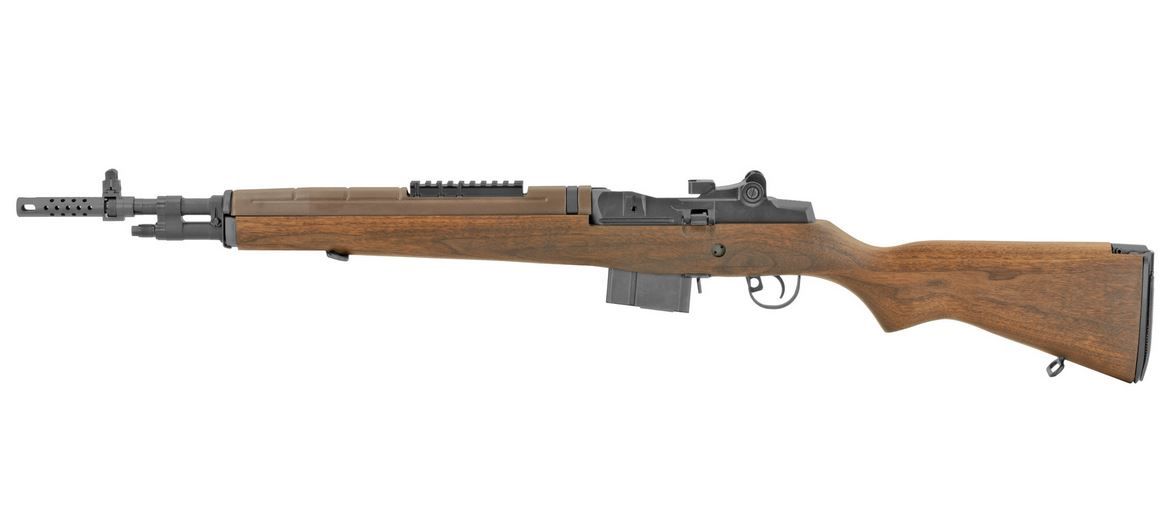
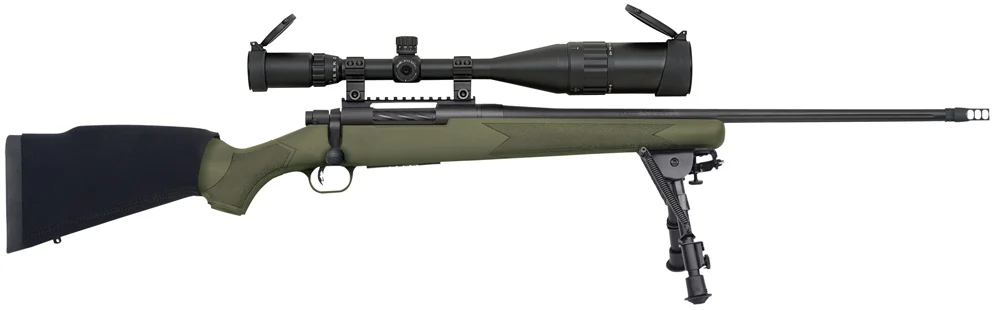
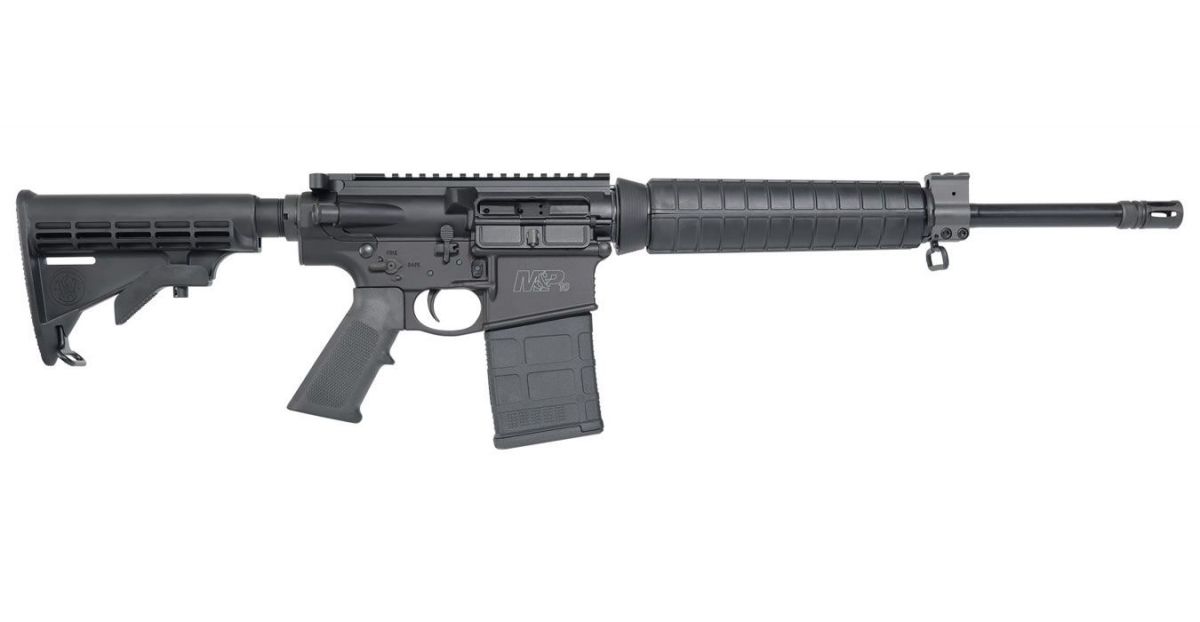
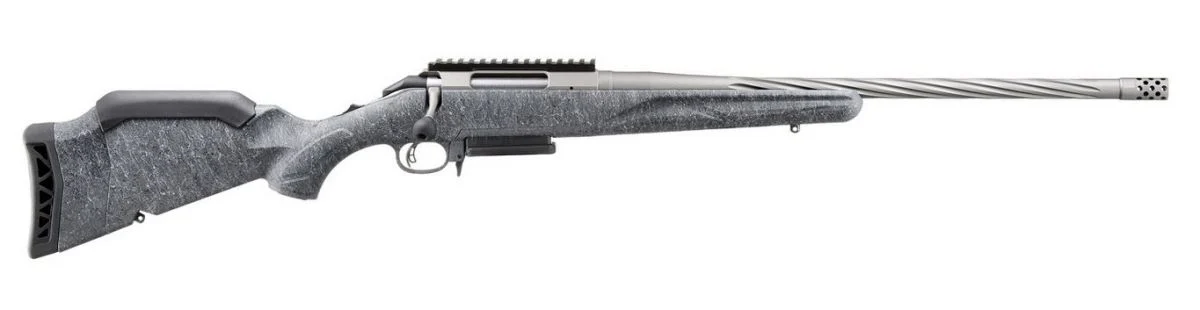
Remember that the state's assault weapon law still applies to hunting rifles. A bolt-action, lever-action or pump rifle avoids that question entirely. Popular choices include a bolt gun in .243 Winchester, .270, .308 Winchester or .30-06, or a lever gun in .30-30 or .35 Remington for the thick cover that covers much of the state.
Legal firearms on state land
Rifles and handguns are not allowed for deer on state land. The state land firearms seasons use 12, 16 or 20 gauge shotguns with single projectiles, and the state land muzzleloader season uses muzzleloading rifles or shotguns. This is why so many Connecticut hunters own a dedicated slug gun.
Choosing a slug gun
A pump-action 12 or 20 gauge with a fully rifled barrel and a cantilever scope mount is the most common setup. Sabot slugs from a rifled barrel group tightly out to 100 yards or more, which covers nearly every shot in Connecticut woods. A 20 gauge kicks less and is plenty for deer at woodland ranges. Pump and single-shot break-action shotguns keep things simple under the assault weapon law, and a standard tube-fed semi-automatic with a fixed stock is also an option.
Choosing a muzzleloader
Muzzleloaders must be .45 caliber or larger. A modern inline .50 caliber with a scope and saboted bullets is the popular choice and extends your season through late December, when the woods are quieter.
Other rules to know
- Hunting hours: half an hour before sunrise to sunset.
- Fluorescent orange: firearms hunters and archers from November 18 to December 31 must wear at least 400 square inches of fluorescent orange above the waist. Archers in a tree stand at least 10 feet up may remove it.
- Sunday hunting: deer hunting is allowed on Sundays on private land only, and never within 40 yards of a blazed public trail.
- Deer urine: all natural deer urine lures are banned to limit the spread of chronic wasting disease.
- Loaded guns in vehicles: Connecticut bars carrying a loaded long gun in a motor vehicle.
Where to hunt
Connecticut's state forests and wildlife management areas are the backbone of public deer hunting. Pachaug State Forest in the east is the largest. Cockaponset, Naugatuck, Meshomasic, Mohawk, Natchaug and Goodwin state forests all see heavy use. DEEP also runs controlled and lottery hunts on some watershed lands. To sight in before the season, the Glastonbury range in Meshomasic State Forest and the High Rock range in Naugatuck State Forest are open to rifles; check each range's rules before bringing a slug gun.
Gear up
Browse slug guns, bolt-action rifles, muzzleloaders and optics in the shop. Your Connecticut dealer will confirm each item is legal in Connecticut before transfer. For state rules beyond hunting, see our Connecticut gun laws overview, and check your city's gun shop page for the nearest zone and public land.
General information, not legal advice. Current as of September 2026. Laws change; check the official source before you act.